


How to trade commodities on Bybit TradFi

Commodity trading is one of the oldest forms of commerce, long predating trading on modern stock exchanges. Today, it allows investors to speculate on the prices of physical raw materials. However, historically speaking, accessing these markets has required bridging fiat currency to a traditional brokerage.
Bybit enables commodity trading via its TradFi platform. Users can trade popular commodities, such as gold, silver, crude oil and natural gas directly from their existing accounts. This integration eliminates the need for a separate traditional brokerage or fiat-funded futures account. Crypto traders can now seamlessly diversify their portfolios into traditional inflation hedges and safe-haven asset classes. Without ever leaving the cryptocurrency ecosystem, they can utilize their existing funds to access global markets with near-instant execution.
Key Takeaways:
Commodity trading on Bybit TradFi allows users to speculate on the prices of raw materials such as crude oil and precious metals, using USDT as collateral, without the need for a separate traditional brokerage account.
Prices in commodity markets are driven by real-world supply-and-demand dynamics, geopolitical events and macroeconomic data. This offers a volatility profile different from that of cryptocurrencies.
Users can access commodities through contracts for difference (CFDs) with flexible leverage, using risk management tools such as the TradFi Combo Bot and margin monitoring to protect their positions.
Why trade commodities on Bybit?
A major advantage of gaining exposure to commodity markets via Bybit is that it gives you the ability to trade traditional assets alongside a cryptocurrency portfolio. Typically, entering commodity markets requires setting up a dedicated brokerage account and navigating complex fiat funding processes. Bybit eliminates such friction by using USDT as margin for all commodity trades in a single unified account. This allows you to deploy capital efficiently across digital and traditional markets, without waiting for bank transfers to clear.
Commodities such as crude oil and gold serve as excellent inflation hedges and reliable portfolio diversifiers. Because their prices are driven by real-world physical supply-and-demand dynamics, they often move independently of digital assets. This lack of correlation makes trading in traditional commodities a highly effective tool for hedging against cryptocurrency market volatility. When the crypto market experiences sharp corrections, traders often turn to such commodities as safe havens amid broader market uncertainty.
Furthermore, trading these physical assets provides direct exposure to global geopolitical events and macroeconomic shifts. Whether reacting to a sudden change in energy output, a disruption in agricultural supply chains or shifting interest rates, participants can manage their positions by instantly utilizing the same interface they use for their cryptocurrency strategies. Bybit TradFi also settles all profits and losses directly in USDT, thereby offering the distinct advantage of trading without the logistical burden of physical delivery.
What commodities can you trade on Bybit?
Bybit TradFi gives eligible users access to commodity and metal markets through separate market categories, including Metals and Commodities. While gold and silver may appear under the Metals category rather than Commodities, they’re still commonly considered part of the broader commodities market.
Examples include:
Energy: WTI crude oil, Brent crude oil, natural gas, gasoline and gasoil
Agricultural commodities: Cocoa, coffee, cotton, orange juice, soybeans, sugar and wheat
Industrial metals: Copper
Note: Product availability, symbols, leverage and trading hours may vary by region and platform settings. Users are advised to check the latest Bybit TradFi market list before trading.
What is Bybit TradFi?
Bybit TradFi provides a seamless bridge between the crypto and traditional finance markets. Powered by Bybit's MetaTrader 5 (MT5) integration, it’s available on the web platform, iOS App and Android App. The platform features over 300 trading pairs, spanning commodities, forex, metals, indices and stocks, thus bringing institutional-grade liquidity directly to retail users.
Traders can operate under two distinct account modes, based on their trading volume and preferences:
Zero-Fee mode serves as the default setting, using straight-through processing technology. This mode features stable spreads with no separate commissions, meaning that all trading costs are built directly into the bid-ask spread.
For high-volume traders, Tight-Spread mode is available by application. It uses electronic communication network technology to provide deeper liquidity and narrower spreads, and charges a fixed commission per lot traded, rather than widening the spread.
Each symbol on the platform has a fixed, unique leverage setting, with some major pairs supporting up to 500x leverage. Bybit TradFi uses a cross-margin model, combined with tiered margin requirements, allowing your entire account balance to support open positions. Hedging is fully supported by the system. The margin requirement for a hedged position is calculated based solely on the larger leg of the trade, thus freeing up capital for other opportunities.
Users can execute strategies that employ a variety of supported order types, including Market, Limit, Stop, Stop-Limit and Trailing Stop orders. Unlike standard crypto perpetuals, which charge funding fees every eight hours, Bybit TradFi charges swap fees on overnight positions. Risk management is enforced strictly throughout the platform, and liquidation occurs automatically when the margin level falls below 50%.
How to trade commodities with Bybit via the web
Executing a commodity trade through the desktop browser is a straightforward process designed for maximum efficiency. Follow these steps to place your first trade on Bybit TradFi's web interface:
1. Log in to the Bybit website and head to the TradFi page. Ensure that you have enough USDT in your MT5 Account. If not, you can transfer funds from your Funding Account or Unified Trading Account (UTA) by clicking on Transfer, near the bottom of the trading widget.
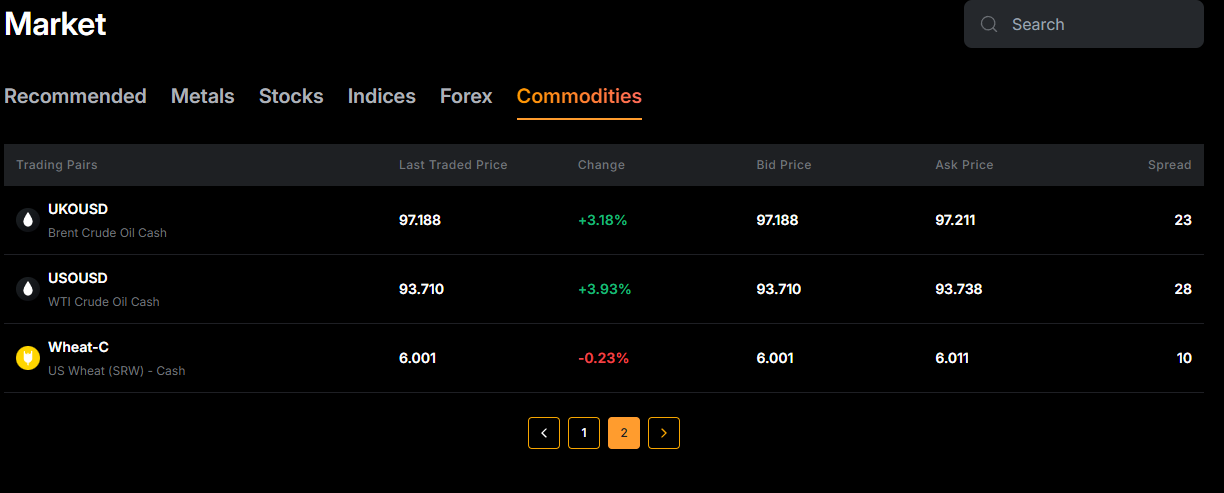
2. Select a commodity pair from the market list, such as USOUSD (for WTI crude oil).
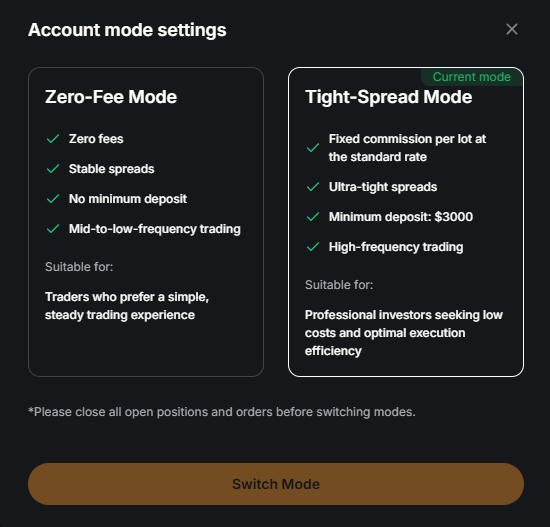
3. Choose your preferred account mode: Zero-Fee by default, or Tight-Spread (if you’re eligible).
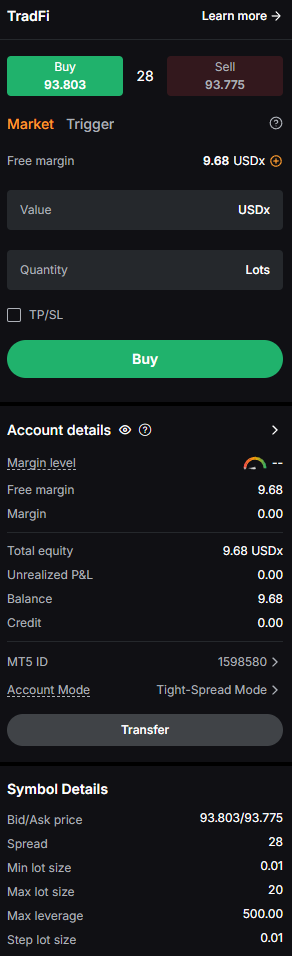
4. Review the current bid-ask spread, set the order type (e.g., Market or Limit) and enter the position size or USDx value.
Place the trade by clicking on Buy or Sell, based on your market analysis.
Monitor and manage your open position by using risk management tools such as stop-loss and take-profit to automate your exit strategy.
How to trade commodities on the Bybit App
For traders who prefer managing their portfolios on the go, the Bybit App offers a fully optimized experience. Here's how to trade commodities on the Bybit App:
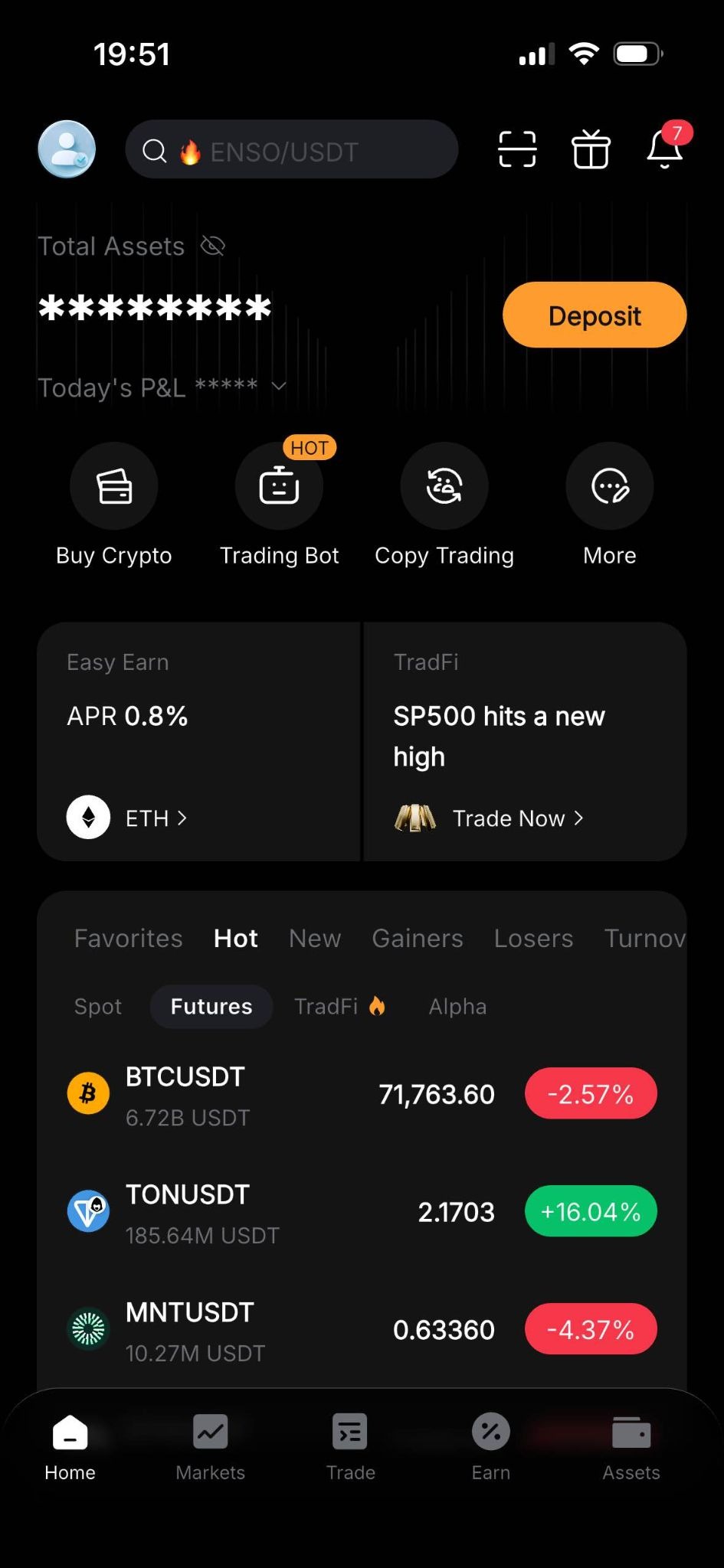
1. Open the Bybit App, log in and tap on the Trade tab in the bottom navigation bar.
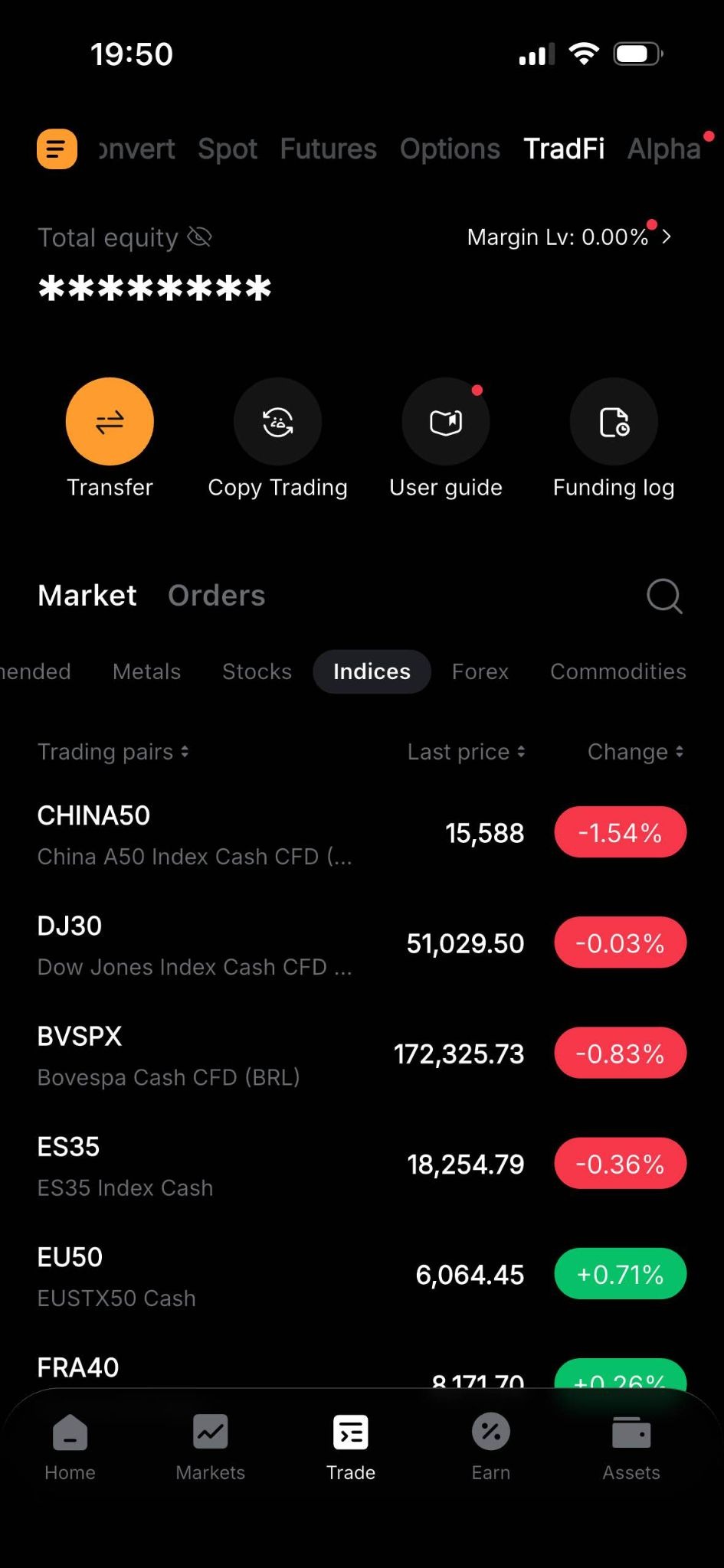
2. Select the TradFi tab at the top of the screen to access traditional markets.
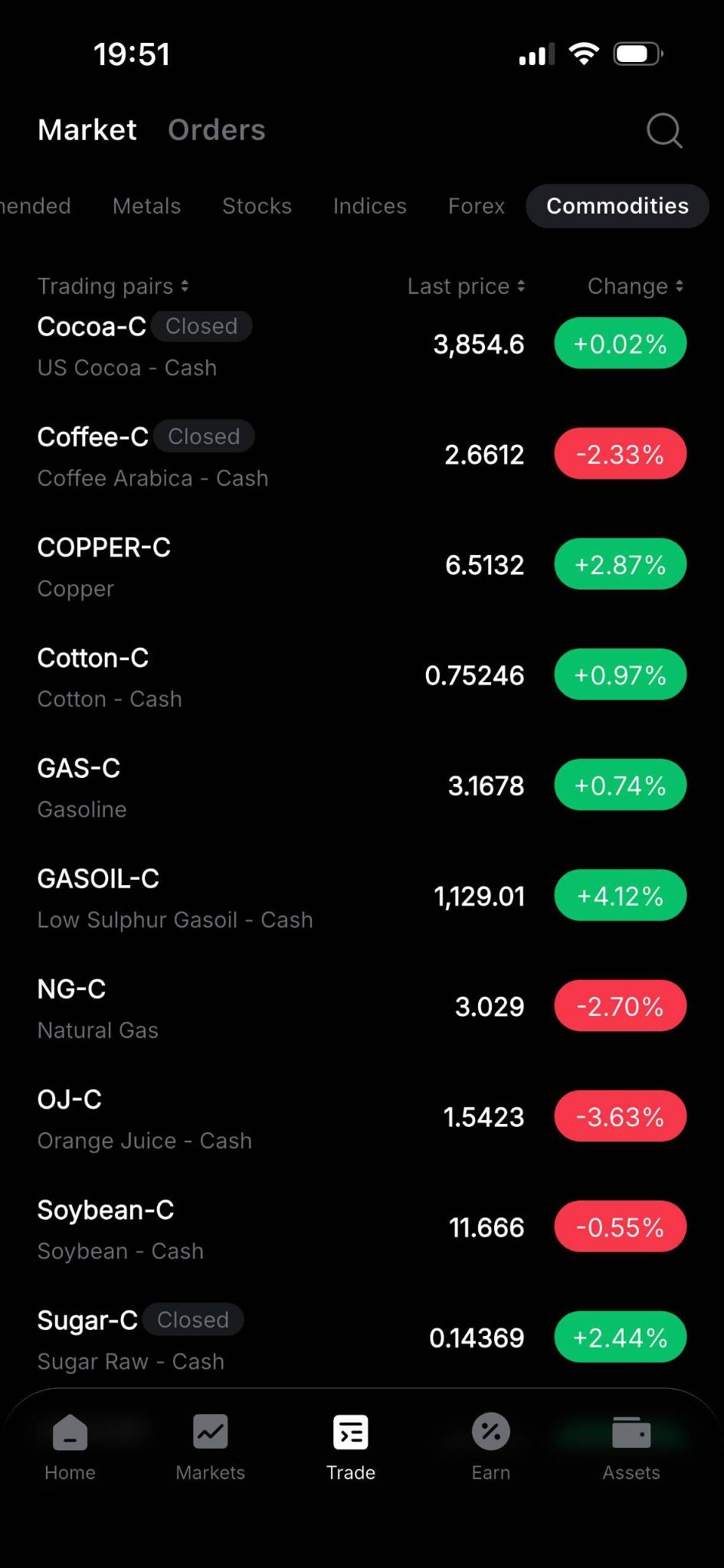
3. Select a commodity pair, such as NG-C for natural gas, from the Commodities category.
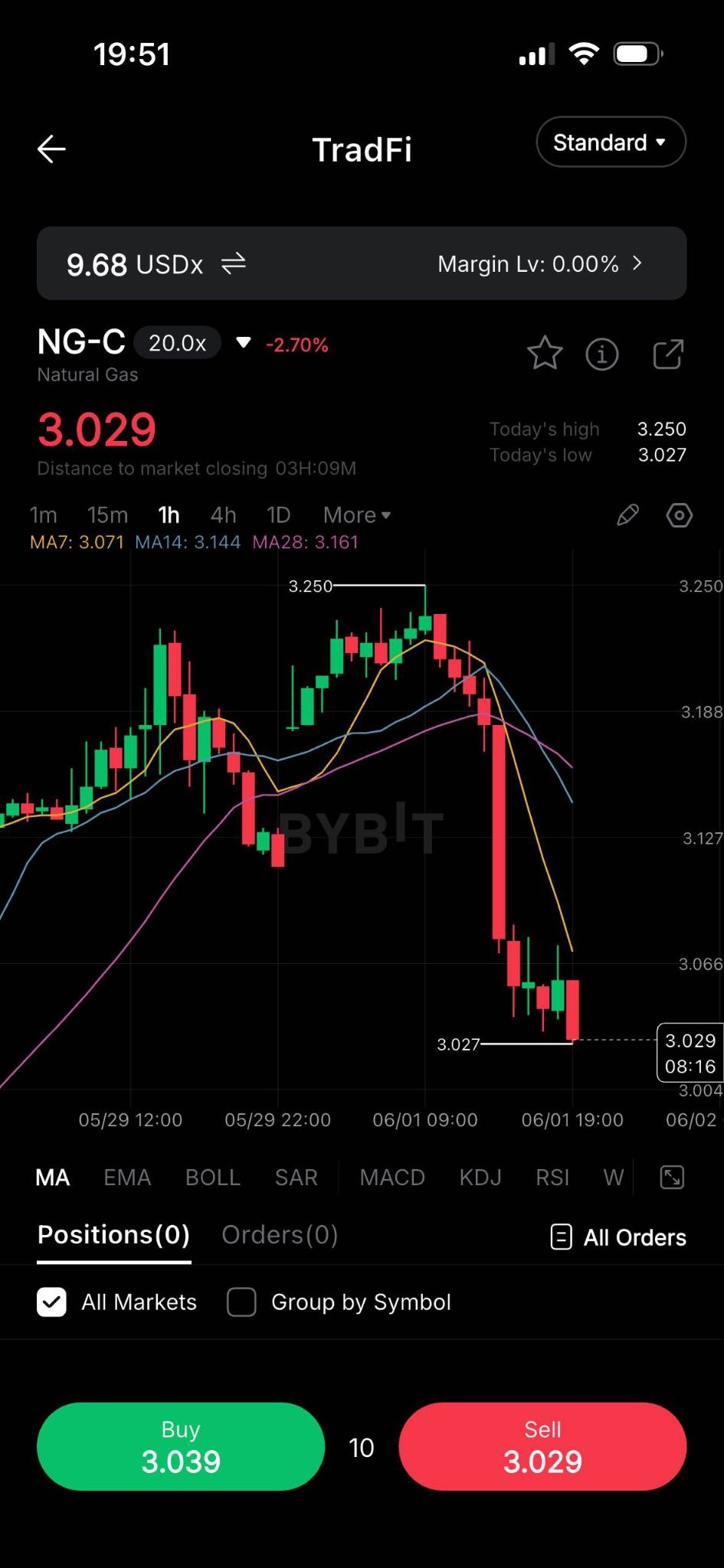
4. Set the desired order type, position size and preferred leverage.
5. Tap on Buy or Sell to place the trade and enter the market.
6. Monitor your position, and actively manage risk using stop-loss and take-profit features in order to protect against sudden market volatility.
Tips for commodity trading on Bybit
Beginners are advised to consider starting with major commodities, such as gold (XAUUSD+) or crude oil (USOUSD), due to these commodities’ tighter spreads and higher liquidity. These types of assets make it easier to enter and exit positions with minimal friction, compared to thinner agricultural markets.
It’s crucial to understand the distinct catalysts driving different commodities. For example, crude oil prices respond strongly to geopolitical risks and OPEC+ production quotas, while agricultural assets like wheat and soybeans are influenced by seasonal planting cycles and weather disruptions. Even closely related markets can diverge. For example, gasoline prices can rise, even as crude oil prices fall, due to regional refinery outages. Therefore, traders should never trade one asset solely based on another asset's price action.
To help you maintain portfolio discipline, utilize the TradFi Combo Bot, which supports AI Strategy, Manual or Grid configurations. This tool automatically rebalances your allocations, maintaining your desired market exposure and helping reduce emotionally based trading. In addition, strictly monitor your margin level in order to avoid liquidations, which automatically trigger at a level of 50%. Finally, using bracket orders that include both an entry and a stop-loss is highly recommended in order to protect your capital from sudden market gaps.
For a more automated approach, TradFi Copy Trading lets you follow experienced commodity traders. This system operates transparently on a high–water mark, profit-sharing principle. It ensures that Master Traders earn fees only when new profits exceed their previous peak.
It’s vital to be aware of trading hours. Unlike the 24/7 cryptocurrency ecosystem, traditional commodities markets have specific open and close times, which includes weekend closures. This means that prices can gap significantly when markets reopen on Monday, following major weekend news.
Finally, keep a close eye on high-impact macroeconomic and geopolitical events. Data releases — such as US CPI numbers, FOMC interest-rate decisions and weekly EIA inventory reports — heavily dictate commodity price action, and can introduce sudden volatility into markets.
Closing thoughts
Bybit TradFi successfully bridges the gap between digital assets and traditional commodities. Whether you want to hedge inflation with gold, speculate on crude oil supply shocks or build a diversified portfolio across different asset classes, Bybit TradFi is highly accessible from a single, USDT-funded account. This integration completely removes the friction of managing separate fiat-based accounts, while offering you deep liquidity and advanced execution tools.
#LearnWithBybit
